Idukki district, nestled in the heart of Kerala’s Western Ghats, is one of the richest biodiversity zones in South India. With dense evergreen forests, high-altitude grasslands, river valleys, and protected wildlife reserves, Idukki is a natural stronghold for rare flora and fauna. Much of the district falls within a UNESCO-recognized biodiversity hotspot, making it vital for conservation and nature-based travel.
At the core of Idukki’s wildlife landscape is Periyar Wildlife Sanctuary,one of India’s most well-managed protected forests. Spread across hills and a large lake ecosystem, Periyar is home to Asian elephants, sambar deer, wild boar, gaur (Indian bison), and elusive predators like leopards. Boat safaris and guided nature walks offer responsible ways to observe wildlife without disturbing their natural behavior.
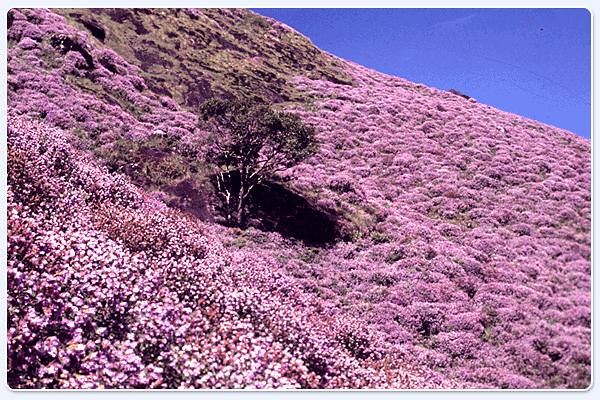
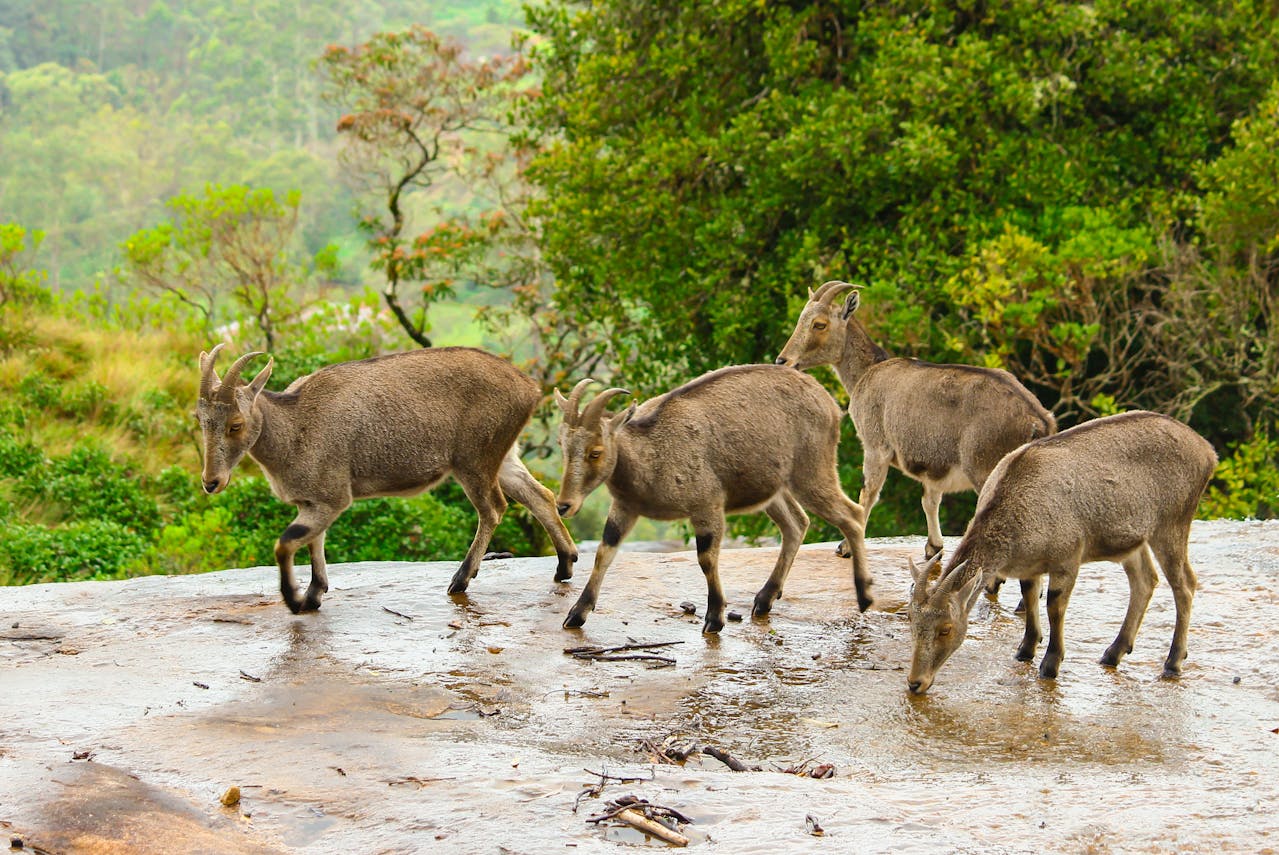
Another ecological treasure is Eravikulam National Park, famous for protecting the endangered Nilgiri tahr. The park’s rolling grasslands and shola forests also support species such as the Nilgiri langur, jungle cat, and a wide variety of butterflies. During the rare Neelakurinji bloom, which occurs once every 12 years, the park transforms into a global natural spectacle.
Idukki’s forests are also rich in avian diversity. Regions around Thattekad Bird Sanctuary and the Periyar buffer zones attract birdwatchers from across the world. Species such as the Malabar grey hornbill, great Indian hornbill, Sri Lanka frogmouth, and numerous migratory birds thrive in these ecosystems, making Idukki a paradise for ornithology enthusiasts.
Reptiles and amphibians play a crucial role in Idukki’s forest ecology. King cobras, Malabar pit vipers, monitor lizards, and several endemic frog species inhabit the moist forest floors and riverbanks. Many of these species are found nowhere else on Earth, highlighting the district’s global ecological importance.
Beyond protected parks, vast stretches of reserve forests and plantation buffers form wildlife corridors that allow animals to move safely between habitats. Human–wildlife coexistence is an everyday reality in parts of Idukki, especially near forest edges, reinforcing the need for responsible tourism and sustainable development.
In essence, the wildlife of Idukki is not confined to fenced reserves—it is woven into the landscape itself. From silent elephant trails and misty grasslands to bird-filled canopies and hidden forest streams, Idukki offers an authentic wilderness experience. For travelers seeking nature with depth, balance, and raw beauty, Idukki stands as one of Kerala’s most valuable ecological regions.